Petroleum testing
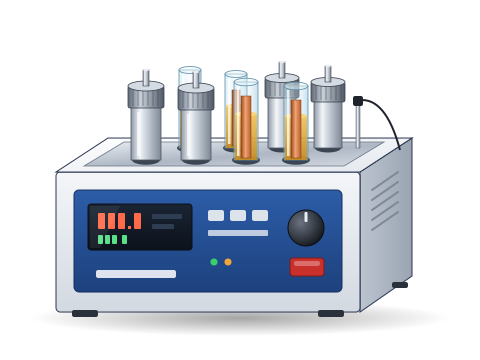
Copper Strip Corrosion Bath
A thermostatic bath that holds a polished copper strip immersed in a fuel or oil at a set temperature (for example 50 °C or 100 °C) for a set time. The tarnished strip is then compared with the ASTM colour standards to grade corrosiveness.
- Petroleum refining
- Fuel terminals
- Lubricant blending
- Aviation fuel quality
- Independent testing laboratories
PREVENTIVE MAINTENANCE
Maintenance checklist
Each test
- Clean test tubes and vessels
- Inspect vessel seals
Weekly
- Check bath medium level and cleanliness
- Store colour standards in their case away from light
Annual / per SOP
- Check bath temperature against a calibrated thermometer at test temperatures
- Pressure-test vessels as required by the manufacturer or method
- Replace colour standards when beyond their stated use period or faded
SAFETY
Safety precautions
Before you work on the Copper corrosion bath
- Fuels in sealed pressure vessels build up pressure when heated. Use pressure-tested vessels, never overfill, and let them cool before opening.
- Petrol and wash solvents are highly flammable; prepare and wash strips in a fume hood away from the bath heater and any flame.
- Hot bath medium (100 °C oil) causes burns; use tongs and heat-resistant gloves.
- Silicon carbide grit and copper dust are irritants; avoid inhaling dust and wear gloves.
- Keep a CO₂ or dry powder fire extinguisher nearby; dispose of used samples and solvents as flammable waste.
In LimsPulse · Calibration Management
Keep every Copper corrosion bath in control: usage logs, calibration and maintenance schedules, and automatic blocking of overdue instruments.