Vacuum Oven
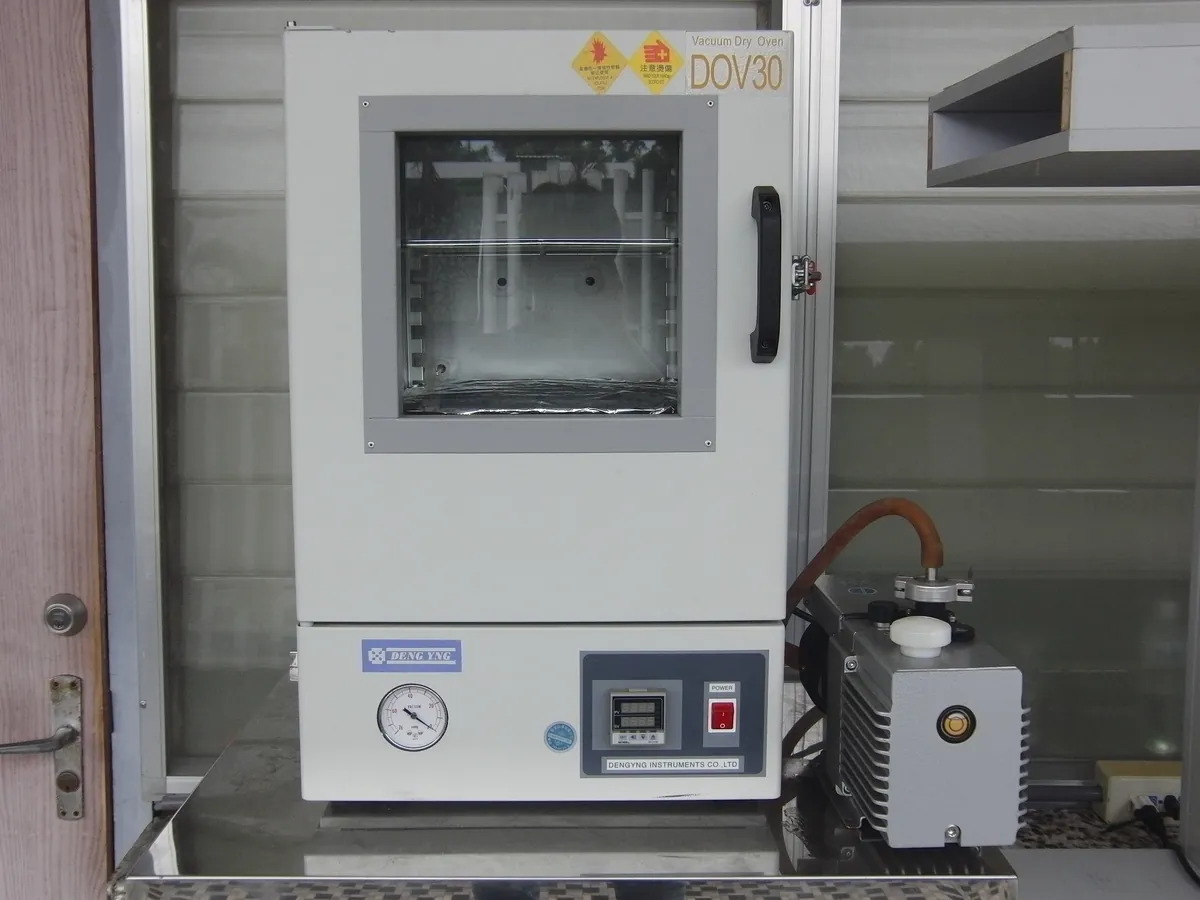
A sealed, heated chamber connected to a vacuum pump. Lowering the pressure lets samples dry at a lower temperature, which suits heat-sensitive materials and LOD tests done 'in vacuum'.
- Pharmaceutical
- Electronics
- Chemicals
- Food
- Research labs
Test your Vacuum oven knowledge
Multiple-choice questions
Pick an answer to see whether you are right and why.
Q1. Why does drying under vacuum allow a lower temperature?
basicQ2. How is heat mainly transferred to samples in a vacuum oven?
basicQ3. What is checked during a vacuum gauge calibration?
intermediateQ4. Why should vacuum be released slowly at the end of drying?
intermediateQ5. Which part most often causes a vacuum oven to fail to reach vacuum?
basic
Viva questions
Think of your answer first, then open it to compare.
1. When would you choose a vacuum oven over a hot air oven for LOD?
When the monograph specifies drying under reduced pressure, or when the sample is heat-sensitive or easily oxidised and must be dried at a lower temperature.
2. What is the purpose of a cold trap?
It condenses water and solvent vapours before they reach the pump, protecting the pump oil and keeping vacuum performance good.
Keep every Vacuum oven in control: usage logs, calibration and maintenance schedules, and automatic blocking of overdue instruments.