Construction materials testing
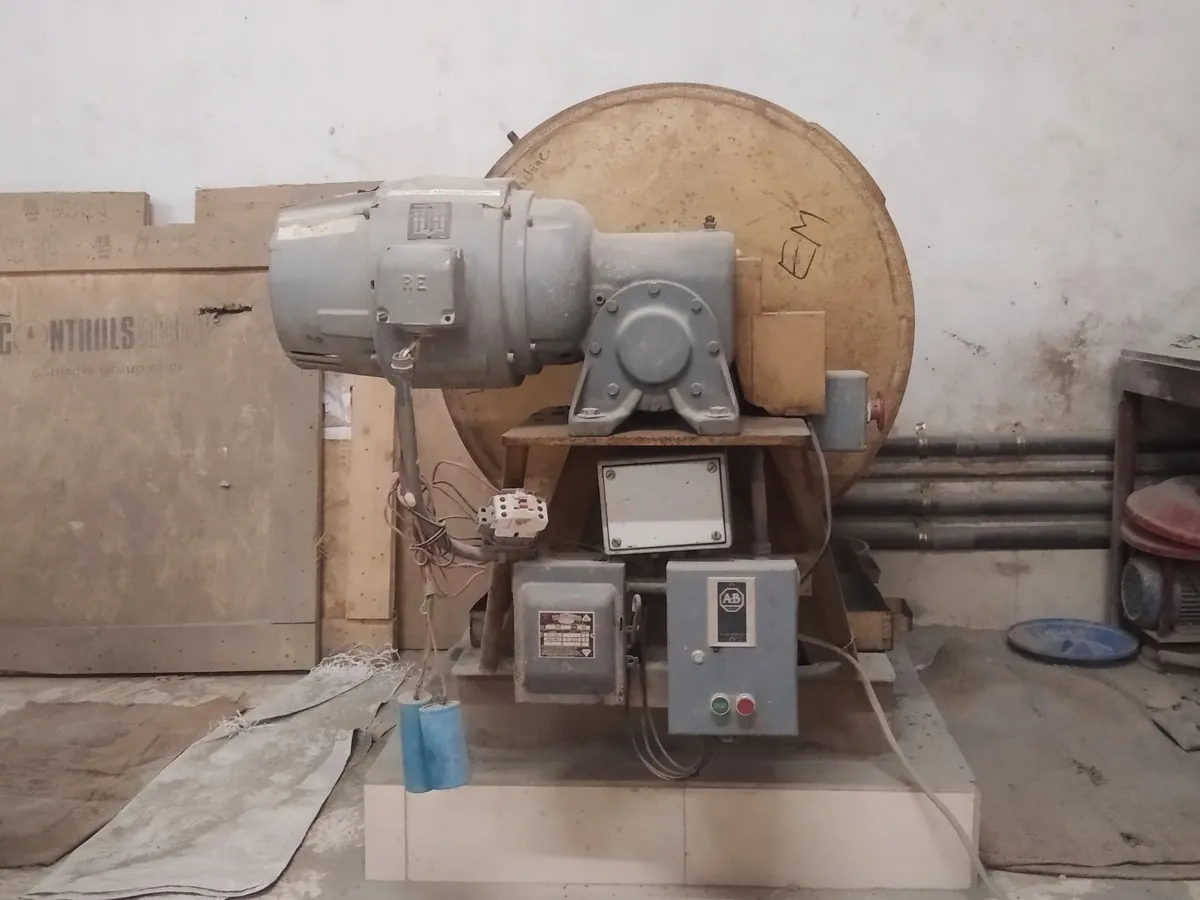
Los Angeles Abrasion Machine
A rotating steel drum in which coarse aggregate is tumbled with steel balls for a fixed number of revolutions. The percentage worn down to fines (the LA abrasion value) measures resistance to abrasion and impact.
- Construction materials testing
- Road and highway construction
- Railways
- Quarries
- Academic labs
Follow your site SOP
This is a typical operating sequence for learning. Your instrument model and approved SOP take precedence.
STAGE 1
Before you start
- 1Check the drum speed and abrasive charge check is in date.
- 2Prepare, wash and oven-dry the sample to the chosen grading; weigh it.
- 3Count and weigh the abrasive charge for that grading.
- Check the shelf is firmly fixed; a loose shelf is dangerous and changes results.
STAGE 2
Loading
- 1Rotate the drum so the opening faces up, and lock it.
- 2Place the sample and the abrasive charge in the drum.
- 3Fit and clamp the cover so it is dust-tight.
- 4Set the counter to the required number of revolutions (e.g. 500).
- Isolate power before putting hands into the drum.
STAGE 3
Running
- 1Close the enclosure and start the drum.
- 2Check it runs smoothly at uniform speed.
- 3Let the counter stop it at the set revolutions.
- Wear hearing protection if there is no enclosure.
STAGE 4
Unloading and calculating
- 1Position the drum over the tray, open the cover and empty the contents, then remove the spheres.
- 2Sieve on a coarser sieve first, then on the 1.70 mm sieve.
- 3Wash, oven-dry and weigh the material retained on 1.70 mm.
- 4Calculate the abrasion value and report it with the grading and revolutions.
In LimsPulse · Calibration Management
Keep every LA abrasion machine in control: usage logs, calibration and maintenance schedules, and automatic blocking of overdue instruments.