ICP-MS · Calibration procedure
Detection limit check
Converts the noise of repeated blank measurements into the lowest concentration the ICP-MS can detect for key elements such as Pb, Cd, As and Hg.
PURPOSE
Why this is checked
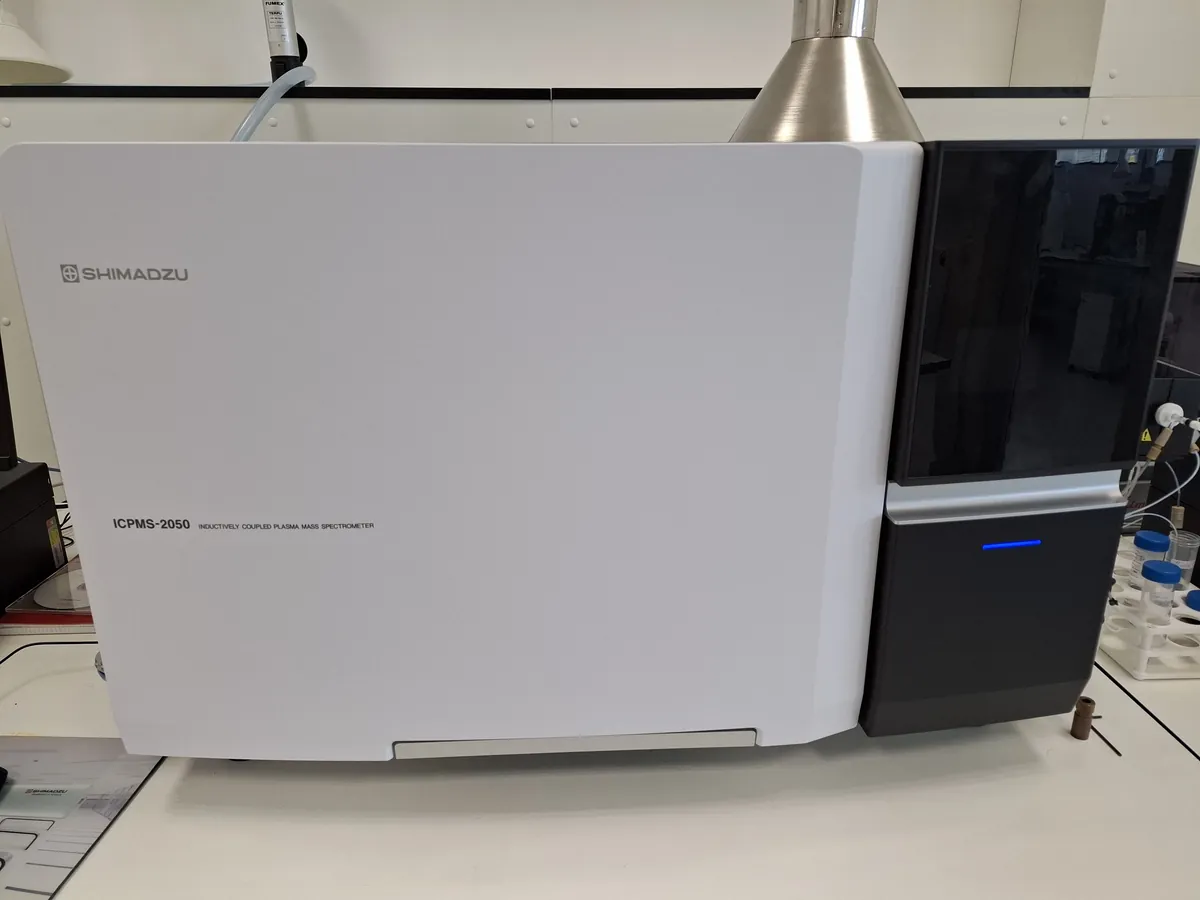
ICP-MS is chosen for elemental impurities because of its very low detection limits. A rising detection limit shows contamination, a high background or lost sensitivity before it affects results near the control threshold.
Frequency
Typically tuning check each day of use; full mass calibration and detection limit calibration every 6 or 12 months and after cone, lens or detector service, as defined in your calibration SOP.
Learn how the ICP-MS worksYOU WILL NEED
Standards & tools
- 2% nitric acid blank (ultrapure acid and Type 1 water)
- Calibration standards of the test elements at µg/L levels, with internal standard
BEFORE YOU START
Prerequisites
- Tuning passed
- Calibration of test elements completed in the mode used for routine work
PROCEDURE
Step by step
- 1Calibrate the test elements to obtain the sensitivity (cps per µg/L).
- 2Aspirate the blank and acquire ten replicate readings.
- 3Calculate the standard deviation of the blank counts for each element.
- 4Calculate the detection limit (3 × SD ÷ sensitivity) and compare with the specification.
RECORD
Example observation table
| Replicate | ²⁰⁸Pb blank (cps) |
|---|---|
| 1 | 118 |
| 2 | 131 |
| 3 | 109 |
| 4 | 125 |
| 5 | 122 |
| 6 | 114 |
| 7 | 137 |
| 8 | 119 |
| 9 | 126 |
| 10 | 121 |
CALCULATION
How to calculate the result
Detection limit (µg/L) = 3 × SD of blank (cps) ÷ Sensitivity (cps per µg/L)
- Mean blank = 122.2 cps; SD of blank = 8.09 cps
- Sensitivity for ²⁰⁸Pb = 25,000 cps per µg/L
- Detection limit = 3 × 8.09 ÷ 25,000 = 0.00097 µg/L (about 1 ng/L)
ACCEPTANCE CRITERIA
Pass if
- Detection limit for each test element not more than the manufacturer's specification or the limit in your SOP (often in the ng/L range).
IF IT FAILS
What to do
- Check acids, water and vessels for contamination; prepare a fresh blank.
- Clean cones and sample introduction system; check the tune.
- Repeat; label 'Out of calibration' and call service if it still fails.
MORE
Other ICP-MS calibrations
In LimsPulse · Calibration Management
LimsPulse schedules this calibration, records the result against limits, and blocks the instrument everywhere if it fails or goes overdue.